
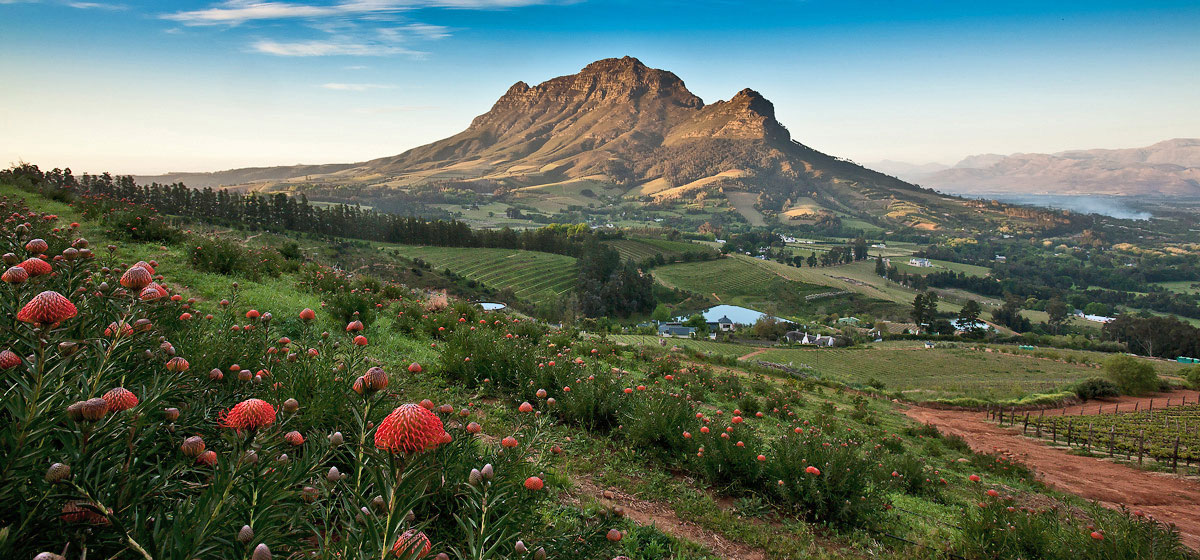
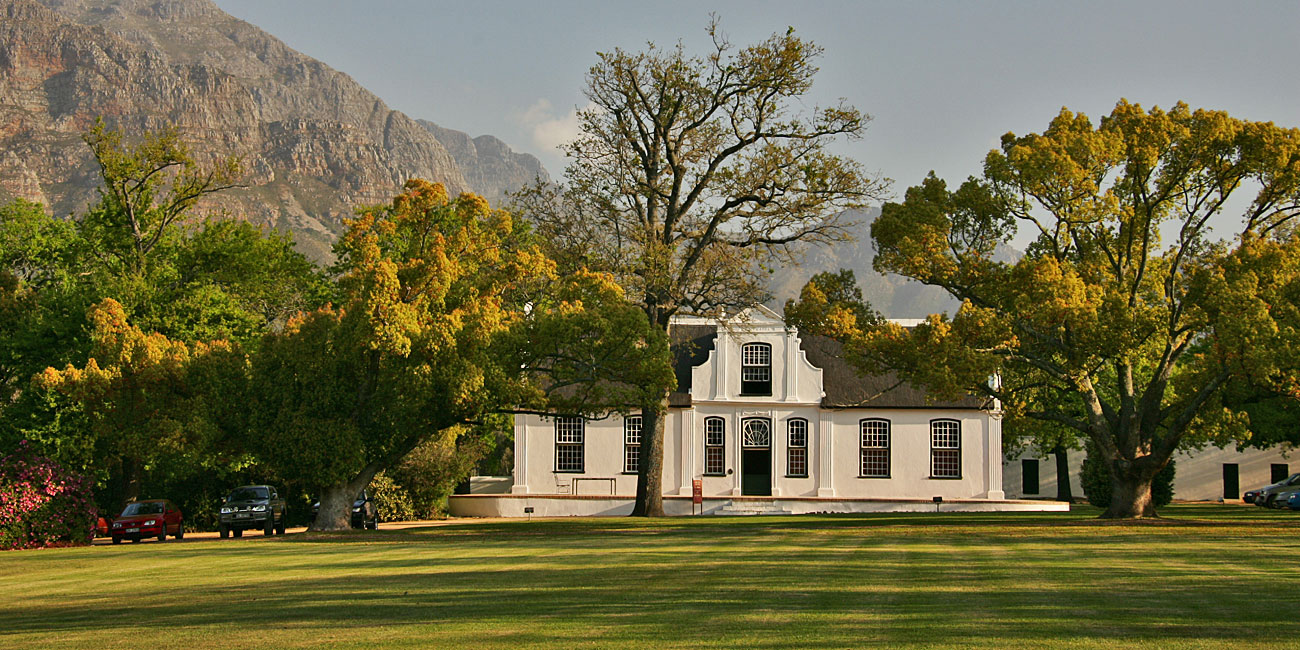
Despite its extraordinary natural beauty, the Banhoek Valley over Helshoogte Pass outside Stellenbosch remains relatively unknown. Yet few regions in South Africa can claim such a rich and fascinating history, from the arrival of early settlers, slaves and farmers through to the present day.
In this valley, some of the finest examples of early Cape Dutch architecture and buildings are contrasted with ultra-modern, enormously sophisticated wineries. In addition, some of the earliest villages established by freed slaves are a reminder of the country’s past.
Attractions & Accommodation
Attractions & accommodation along Helshoogte Road
Category: Services & Community
Silvermine Protection Services was established by local entrepreneurs to provide security for the Boschendal Estate, after many years of experience in the security industry. Today, Silvermine Protection Services provides...
 0.0
Category: Self-catering
Skyview Manor is situated up on the mountainside overlooking the beautiful Banhoek Valley and surrounded by the Majestic Helshoogte Mountains. Enjoy the peaceful atmosphere surrounded by Fynbos, Proteas, lush...
 0.0
Category: Guest houses & B&Bs
MolenVliet Oosthuizen Family Vineyards offers our guests various luxury Accommodation options throughout the Estate. Our four En-Suite Cottages are ideally situated at the Entrance of the Estate; this is the...
 Category: Museums & Heritage sites
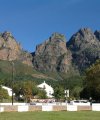
The Pniël Museum is much more than just a museum. It tells the story of how a former Mission Station, established by the Apostolic Union in 1843 for the freed...
 0.0
Category: Self-catering
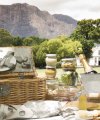
Guest accommodation is luxurious with options ranging from the historical Herbert Baker designed Rhodes Cottage to beautifully restored farm labourer cottages. With emphasis on stylish simplicity the guest cottages...
 0.0
Category: Restaurants
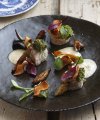
Boschendal wine farm boasts some of the most picturesque views in the Cape Winelands, with dramatic mountain vistas visible from the lush lawns. So, it’s no surprise that the...
 0.0
Category: Restaurants
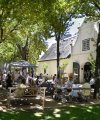
Farm to table dining in an exquisitely refurbished wine cellar. Situated in the beautifully revamped original cellar of the Manor House, the focus at The Werf Restaurant is on...
 0.0
Category: Restaurants
What was once the original waenhuis, or wagon house, of Boschendal has been sensitively restored into our attractive Farmshop & Deli.
 Category: Wineries & Estates
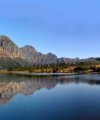
Agriculture and a simple farm lifestyle is at the heart of Boschendal. One of the oldest farms in South Africa, founded in 1685, the farm has grown with...
 0.0
Category: Lodges & Country Houses
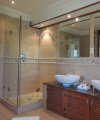
Situated in the picturesque Banhoek Valley amongst some of South Africa's premier Wine Estates lies the magnificent Banhoek Lodge. With spectacular views over the surrounding vineyards and mountains it...
 0.0
Category: Lodges & Country Houses
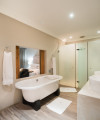
Thank you for the interest shown in Zorgvliet Wines Country Lodge. We are looking forward to sharing the splendid grandeur and our warm hospitality with you. ...
 0.0
Category: Lodges & Country Houses
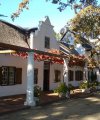
Lekkerwijn is an historic family home in the Cape Dutch style with Herbert Baker architecture.
Attractions & Accommodation
Attractions & accommodation along Helshoogte Road
Category: Services & Community
Silvermine Protection Services was established by local entrepreneurs to provide security for the Boschendal Estate, after many years of experience in the security industry. Today, Silvermine Protection Services provides...
Category: Self-catering
Skyview Manor is situated up on the mountainside overlooking the beautiful Banhoek Valley and surrounded by the Majestic Helshoogte Mountains. Enjoy the peaceful atmosphere surrounded by Fynbos, Proteas, lush...
Category: Guest houses & B&Bs
MolenVliet Oosthuizen Family Vineyards offers our guests various luxury Accommodation options throughout the Estate. Our four En-Suite Cottages are ideally situated at the Entrance of the Estate; this is the...
Category: Museums & Heritage sites
The Pniël Museum is much more than just a museum. It tells the story of how a former Mission Station, established by the Apostolic Union in 1843 for the freed...
Category: Self-catering
Guest accommodation is luxurious with options ranging from the historical Herbert Baker designed Rhodes Cottage to beautifully restored farm labourer cottages. With emphasis on stylish simplicity the guest cottages...
Category: Restaurants
Boschendal wine farm boasts some of the most picturesque views in the Cape Winelands, with dramatic mountain vistas visible from the lush lawns. So, it’s no surprise that the...
Category: Restaurants
Farm to table dining in an exquisitely refurbished wine cellar. Situated in the beautifully revamped original cellar of the Manor House, the focus at The Werf Restaurant is on...
Category: Restaurants
What was once the original waenhuis, or wagon house, of Boschendal has been sensitively restored into our attractive Farmshop & Deli.
Category: Wineries & Estates
Agriculture and a simple farm lifestyle is at the heart of Boschendal. One of the oldest farms in South Africa, founded in 1685, the farm has grown with...
Category: Lodges & Country Houses
Situated in the picturesque Banhoek Valley amongst some of South Africa's premier Wine Estates lies the magnificent Banhoek Lodge. With spectacular views over the surrounding vineyards and mountains it...
Category: Lodges & Country Houses
Thank you for the interest shown in Zorgvliet Wines Country Lodge. We are looking forward to sharing the splendid grandeur and our warm hospitality with you. ...
Category: Lodges & Country Houses
Lekkerwijn is an historic family home in the Cape Dutch style with Herbert Baker architecture.